Tuesday, April 26, 2005

Use Chili To Open Up The Pores


Put a few Slices of Chili In The Water is help to Open Up the Pores for Face Cleansing!! Posted by Hello


Monday, April 25, 2005

8 Things Your Doctor Won't Tell You

Some what I agreed with the following author her opinions.

However, my advise to all is still the same old golden Mantra!!

We Are What We Ate!!

As the old Chinese Guru Said:

Illness is from What is going into the Mouth.

Trouble is From What is Out from The Mouth!!


8 Things Your Doctor Won't Tell You
By Kate Dailey Rodale

Before the feds brought him down in 1996, Edwin Kokes had a pretty good racket. Mr. Kokes convinced people that he was, in fact, Dr. Kokes and had cured thousands of AIDS and cancer patients. He encouraged folks to stop their medications and buy his potions instead, including one called M-Bone. Its special ingredient? Sulfuric acid.

Even if your doctor isn't intentionally out to mislead you, we'll bet a box of tongue depressors that he is keeping you in the dark about certain things. These are secrets that can save you money, time, or even your life. Here's what you'll never hear—unless you know what to ask.

1. "You don't need this test."

To cover their own butts, doctors sometimes take a needless trip up yours. A nationwide sample of "surveillance" colonoscopies—follow-up procedures done after polyps are removed—found that up to 50 percent of doctors recommended these tests unnecessarily. This better-safe-than-sorry mindset keeps docs safe against lawsuits, and isn't limited to colonoscopies.

Get the truth: Watch out for the most overused procedures: MRIs and CT scans, echocardiograms, and stress tests all scored high in a survey of health insurers. "When your doctor does make a recommendation that seems aggressive, ask why, and where you fit in the assigned guidelines," says Pauline Mysliwiec, M.D., author of the colonoscopy study. For a list of the most common testing guidelines for men, click here.

2. "This WILL cost You."

From deductibles to drugs, chances are your doctor visit will run more than insurance will pay. But while a Journal of the American Medical Association study showed that 79 percent of doctors think it's important to tell patients about these costs, only 35 percent actually do inform them. Their excuse? Many physicians say they're under time pressures and don't know how much patients are spending on out-of-pocket costs, says G. Caleb Alexander, M.D., the study author.

Get the truth: Tell 'em where it hurts—in your wallet. If you mention medical expenses, most doctors will work with you to lower them, says Dr. Alexander. For instance, they can prescribe a 3-month instead of a 1-month supply of a drug to help you save on the co-pay. Or they can look at the prescriptions you take and services you receive, such as physical therapy, and reevaluate which can be used on an as-needed basis.

3. "This pill is basically a placebo."

Not the sugar-filled kind, but equally ineffective. "Forty percent of patients with colds who go to a doctor get an antibiotic," says Howard Brody, M.D., Ph.D., director of the Center for Ethics and Humanities in the Life Sciences at Michigan State University. "Doctors can spend 15 minutes explaining why the patient doesn't need medicine or take 1 minute to write a prescription."

Get the truth: Tell your doctor you hope your problem isn't so serious that it calls for medication. This lets him know you're not looking for a bottle of pills, and it may make him more likely to discuss other treatments, says Dr. Brody. And watch out if your diagnosis is sinusitis. Because it can be either bacterial or viral in nature, sinusitis is one of the top conditions for which antibiotics are unnecessarily prescribed. Ask for a C-reactive protein rapid test—a raised CRP level signals a bacterial infection. Danish researchers recently showed that doctors who gave the test to sinusitis patients prescribed 20 percent fewer antibiotics than their peers who skipped the test.

4. "I'm trained to fix problems, not prevent them."

Whoever first said "An apple a day keeps the doctor away" probably wasn't an M.D. A study published in the American Journal of Clinical Nutrition found that only one in six doctors preaches to patients about nutrition's role in preventing disease, while Colorado researchers found that just 28 percent of doctors mention exercise. "We tend to be more pharmacologically oriented because of our M.D. training," says Mark Houston, M.D., author of What Your Doctor May Not Tell You about Hypertension.

Get the truth: If your doctor doesn't have answers about nutrition or exercise, he knows someone who does. Many general practitioners collaborate with nutritionists and trainers who help treat patients with lifestyle-influenced health problems, such as type-2 diabetes. Ask for a referral to discuss basic preventive health strategies.

5. "Don't Join THIS clinical trial."

Doctors can make $5,000 for each patient they recruit to a clinical trial, so you might receive advice colored by the promise of a kickback. That's scary, especially since clinical trials are crapshoots. "The drug is being tested precisely because we don't know how it will work," says Steven Joffe, M.D., a researcher at the Dana Farber Cancer Institute. Plus, you could end up with a placebo and not see any benefits.

Get the truth: Start by asking your doctor to explain the proven benefits of existing medications versus the potential advantages of the trial drug. Next, find out more about the study in question at clinicaltrials.gov, a clearinghouse for information on trials. Go ahead and e-mail the organizer of the trial and ask if the organization is offering physicians any recruiting "incentives." If so, mention this to your doctor and ask if he still stands by his recommendation.

6. "There's a cheaper pill."

If a brand-name pill costs $1.50 and an equally effective generic costs 5 cents, why would anyone prescribe the pill with the $1.45 markup? "Most doctors aren't prescribing generic medicines because there are rewards to be had from the pharmaceutical industry," says Evan Levine, M.D., author of What Your Doctor Won't (or Can't) Tell You. Federal law prohibits companies from blatantly compensating doctors, but there are loopholes. "They take the doctors to an expensive dinner or a strip club and bill it as a 'teaching' seminar," says Dr. Levine.

Get the truth: Ask and you shall receive. Doctors will acquiesce to patients who demand a generic drug (if one is available; about 40 percent of drugs on the market have generics). Don't worry about quality: Generics have to have the same potency and active ingredients as their brand-name brothers. Note: Beware of free samples. While they can save you a few bucks in the short term, they can also get you started on an expensive drug with no generic equivalent.

7. "I'll push surgery, even if that's not the best treatment."

"In many doctors' value systems, surgery is the default," says Christopher Meyers, Ph.D., head of the Kegley Institute of Ethics at California State University. But research indicates that surgery often isn't the best option. A Baylor College of Medicine study showed that chronic knee pain didn't change after surgery, while another study found that taking a wait-and-see strategy with hernias may be as effective as going under the knife.

Get the truth: "You should always ask what the alternatives are to surgery, including an approach that most physicians feel uncomfortable offering: to do nothing," says Meyers. If your doc is still scalpel-happy, get a second opinion from a doctor of osteopathy. "These doctors take a more holistic approach and are familiar with newer literature that promotes different strategies," says Dr. Houston.

8. "I've been disciplined by my state's medical board."

Doctors won't post signs on their office doors to inform you of their disciplinary infractions or the number of malpractice claims they've paid. But you need to know.

Get the truth: Go to www.docboard.org—a site with a searchable database from 15 state medical boards and links to the databases of the other 36 boards. If a practitioner you like has been reprimanded, ask him about it. "If a doctor refuses to answer questions about his background or about whether or not patients have sued him, you should run," says Dan Fee, a spokesman for Citizens for Fairness, a coalition of patients'-rights groups.

MSN Health & Fitness - 8 Things Your Doctor Won't Tell You

Thursday, April 21, 2005

Phytochemical Information Center Home

I am not aware of the Phytochemicals & AntiOixdants until I research into it.

The following is the adapted from


It is importants to have enough intake of Vege & fruits at least

7 Serving & 9 Serving of Vege & Fruits for Woman & man per days to have Great Health & Wellness


What are Phytochemicals?

Phytochemicals (“fight-o-chemicals”) are substances that are naturally occurring only in plants.

Some of them may provide health benefits beyond those provided by essential nutrients (vitamins and minerals).

Eating a variety of colorful phytochemical-rich fruits and vegetables has been associated with a lower risk of some chronic diseases such as cancer and heart disease.

Phytochemicals may act as antioxidants, protect and regenerate essential nutrients, and/or work to deactivate cancer-causing substances.

It is thought that phytochemicals, vitamins, minerals, and fiber, all present in fruits and vegetables, work synergistically in whole foods to promote health and lower disease risk. For this reason, many authoritative organizations, such as the National Cancer Institute and The American Heart Association, recommend getting phytochemicals from whole foods, such as fruits and vegetables, rather than from supplements.

Phytochemical Information Center Home

Friday, April 15, 2005

Bee & Bee Pollen


03April05 158, originally uploaded by Rainmountain.

Do you know,

Bee's products:

Honey,

Bee Pollen,

Bee Popolis,

Have the healing Power??

Thursday, April 14, 2005

Sushi for Wellness


Sushi combo, originally uploaded by Airchild.

Yes, As my late Mom said:

Fish is the best Food you must eat..

Then I question back. What is That good for..

She said..don't ask so much.. just eat..otherwise no more food for you.

After year of Research.. I realized that Because of the protein.. the Omega 3 & Omega 6 of the Fish....

Especially Salmon..Then these are great for our eyes.. Our proteins ...Collagen...Elastine... That for us to
look Young.. good immunities...Great Health.

Wednesday, April 13, 2005

Sushi Is A Health Food Provided...


Sushi, originally uploaded by Katemina.

Sushi Is A Health Food.

It is Very Rich in Color;

Comform To "Tao of Eating";

The Balance of 5 Color's;

Sea Weed for Cleansing Our Organs;

Tofu Soup for Potein;

In Fact, there are lots of proteins In There!!

More.....

However, Beware of Soldium;

Too Much Soldium would damage Your Kidney;

Then Liver - Wood would be affected....

But the Mother of Kidney Is
Lung - Metal;

Controling the function of Skin & Big Intestine...

So Think Skin & Young Look..

Drink more Water,

Less Soldium;

Less Sugar;

Cut of Oilly & Deep Fried Food;

Cut off Spicies Food;

Drink More Juice;

Drink More Tea;

Have Enough Sleep;

Would Share More..........

Monday, April 11, 2005

Natalie Make Up Toys


you're talking to me?, originally uploaded by ChrisJ.

The Little Ponny!!

These Reminded Me About Natalie, When she was 4-5 Years old.

She either Have the Babe Doll or her Little Ponny To play With..Make-Up, ....

She is Now An Adult!!

Times Really Flys!!!!!

Don't Worries You Are Slow - Garfield


Garfield 14/03/2005, originally uploaded by wirjo.

Don't Worries You Are Slow.

The Old Saying is:

Do Not Worries About You Are Slow;

You Should Concern That You Just Standing There!!

Look At Carrie Underwood Face!!!!!!!!!


Carrie Underwood!!!!!!!!!, originally uploaded by wirjo.

Looking at her face complexion. Smooth & flawless.

These need not only the make up before the event. It is Also need to have consistence Facial Care & Food, Drinks, Water & Sleep.

Shall Share More Secret that you are affortable....

Saturday, April 09, 2005


Roses Is Good For Relaxing & Sleeping Cool The Heart Posted by Hello

Friday, April 08, 2005


This is Me & My Daughter Posted by Hello

Why Carotenoids

Carotenoid combo reduces damage to cells, may fight disease

15/03/2005 - Doses of carotenoids easily gained from the diet have a significant effect on reducing oxidative damage, said researchers at a nutrition conference in Paris earlier this month.

Their study is thought to be the first to demonstrate the impact of carotenoids on protecting against oxidative damage, which has been linked to increased potential for disease.

It also suggests that a combination of carotenoids, such as is found naturally in the diet, may offer greater benefits than a single carotenoid.

Lead investigator Kyung-Jin Yeum from the Human Nutrition Research Center on Aging at Tufts University in Boston, said that the study was designed to add new information to the evidence that fruit and vegetables can help fight off disease.

Fruit and vegetables contain numerous different chemical compounds making it difficult to assess which of these are acting against disease. However carotenoids are the main source of pigments in fruit and vegetables and have already been linked to decreased risk of cancer and other diseases in which oxidative damage is thought to play a role.

The researchers supplemented 37 healthy, postmenopausal women with either a combination of 4mg each of lycopene, beta-carotene and lutein, 12mg of a single carotenoid or a placebo for eight weeks. The carotenoids were provided by German group BASF, which funded the study.

The scientists assessed oxidative damage to lymphocytes (white blood cells) at certain points during the study. â?oBoth the single and mixed carotenoid groups showed significantly increased plasma total carotenoid levels within 15 days of supplementation and significantly decreased damage at day 57," write the researchers in the study abstract.

The mixed carotenoids supplemented group showed significantly decreased DNA damage as early as day 15 (by around 22 per cent) and this further decreased at days 29 and 43. By day 57, it had been reduced by 36 per cent. There were no significant changes in the placebo group. â?oWe wanted to combine three different carotenoids as we know they have a different structure and are located in different positions in the membrane.

This means they have different functions so could have a synergistic effect when combined,� Dr Yeum told NutraIngredients.com. She added that 4mg of lutein can be gained from a quarter of a cup of cooked spinach, while the same dose of beta-carotene can be found in a third of a carrot.

A medium-sized tomato offers 4mg lycopene. â?oWhat is really important is that we have used a physiologic dose. We do not want to use pharmacological levels as increasingly research is showing that high doses of nutrients like vitamin E or beta-carotene can have side effects," she added.

"Our findings emphasise the importance of a balanced diet. If fruit and vegetable intake is low, supplements could be helpful although the study did not intend to promote supplements,� continued Dr Yeum.

The researcher explained that while there is no study showing a direct connection between DNA and disease, several have shown that heart disease and breast cancer patients have higher DNA damage compared to controls.

The study was presented at the Nutrition, Oxygen Biology and Medicine conference at the Societe De Recherches Sur Les Radicaux Libres in Paris from 2-4 March 2005. It will shortly be submitted for publication in a scientific journal.

Source: http://nutraingredients-usa.com/news/news-ng.asp?n=58729-carotenoid-combo-reduces

Monday, April 04, 2005


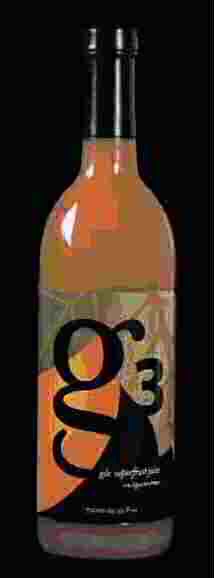
Here Is The G3 Juice. It is Excellence for Your Eye, Kidney, Skill Care & Wellness Posted by Hello

Saturday, April 02, 2005

Google Is Into The Drinks for Wellness!!

Do You Know

Think Fruity!!!!!Think Refreshing!!!!!Think


Have Got into Business of Drinks for Wellness??

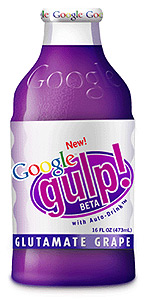
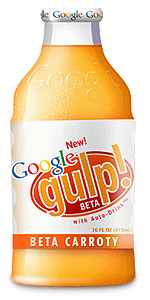
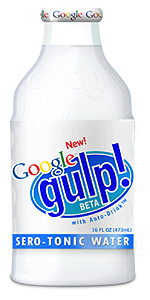
This is their Label


Here are how the 4 type of Drinks Like.


Glutamate Grape – Why drink plain grape juice when you can stimulate your ionotropic and metabotropic receptors and groove to a sugar high? Enhancing your learning and memory functions never sounded sweeter. (Note: excessive amounts of glutamate can cause neuronal damage, so drink responsibly.)


Sugar-Free Radical – Will this antioxidant-rich, low-cal beverage keep you young forever? The results of studies to date haven't been definitive, but hey, if you stay thin enough, you'll look good whether or not the theory of free radicals turns out to be correct.


Beta Carroty – Want to be healthy without actually going so far as to eat (shudder) vegetables? Get your daily pick-me-up dose of cancer-fighting carotenoids with this smooth, not all chalky morning smoothie


Sero-Tonic Water – Just try to stay down once your synapses get a blast of this bubbly concoction whose refreshing blend of selective serotonin reuptake inhibitors is perfect for those moments when all your other beverage options just seem soooo depressing.


Friday, April 01, 2005

ANTI-AGING ENZYME'S SECRETS REVEALED

The finding is very significant about 2 things:

1. For the Treatment of Diabetics, Inflamation, Cancer which enzyme play a role according to the report

2. Anti-Anging Enzyme's

As a baby bloomer, I believe that Anti-Aging come 1st before any others issue. Because, once the body is in Great Health state, off-course the immunity is good to prevent one from getting illness even the deadly disease of Cancer & heart illness.

My advise is that even the technology have breakthrough on Anti-Aging & Diseases healing , the wellness is beging at home. That is one really have to be mindfulness in what they are Eating for their Anti-Aging & Wellness


ANTI-AGING ENZYME'S SECRETS REVEALED

Johns Hopkins researchers have determined how a tiny molecule normally squelches the activity of an enzyme that otherwise could help yeast, worms and flies live longer.

The structural secrets they found, which are described in the March 18 issue of Molecular Cell, are likely to help efforts to design molecules that increase or decrease the enzyme's normal activity. The idea isn't to create a fountain of youth, say the researchers, but to help treat diabetes, inflammation, cancer or other conditions in which the enzyme plays a role. The enzyme, called Sir2 or sirtuin, turns on or off certain proteins by removing "decorations" called acetyl groups.

"Some of the proteins the enzyme turns on or off are already known to be involved in disease, and new ones are being identified all the time," says Cynthia Wolberger, Ph.D., professor of biophysics and a Howard Hughes Medical Institute investigator in Johns Hopkins' Institute for Basic Biomedical Sciences. "The idea is that specifically and carefully altering the activity of sirtuins could help fix those conditions by restoring appropriate activity levels of the specific protein involved."

For example, Johns Hopkins scientist Pere Puigserver reported just last month that the human equivalent of Sir2 is intimately involved in controlling whether the liver produces sugar when food is scarce. In people with diabetes, sugar production in the liver is constant, and targeting this sirtuin might help restore control.

One key controller of the enzyme's activity is a small, naturally occurring molecule called nicotinamide (nick-oh-TIN-ah-mid), itself a product of the enzyme's complex chemistry. Already, scientists knew that this molecule fine-tunes sirtuin's activity by reducing its ability to remove the acetyl groups from proteins.

But exactly how nicotinamide interfered with sirtuin's activity was unknown. One idea was that there might be two places where nicotinamide could sit in the enzyme -- one spot where it's created, and another where it just blocks the enzyme from doing its job.

"Our structures of the protein and nicotinamide show that this is clearly not the case," says Wolberger, whose research focuses on understanding proteins' functions by determining what they look like. "Instead, nicotinamide binds in only one spot in the enzyme."

Jose Avalos, then a graduate student, found the answer by determining the three-dimensional structure of the nicotinamide and sirtuin bound together. The structure literally shows the molecule sitting in a pocket of the enzyme and also reveals how its presence prevents sirtuin from doing its thing. Based on this picture, the researchers altered a single component of that pocket, which made the enzyme sensitive to a different molecule.

"Things don't usually work out so cleanly," says Wolberger. "But in this case we made a prediction based on the structure, and we were able to prove that prediction true."

Wolberger and Avalos used sirtuin from bacteria to create their structures, but the human version of the enzyme responds to nicotinamide in the same way. Avalos's structures clearly identify which building blocks of the sirtuin protein are involved in binding nicotinamide.

"Understanding the interaction in such detail can help in the design of new compounds that could inhibit sirtuin's activity or increase it," says Avalos, now a postdoctoral fellow with Nobel laureate Rod MacKinnon at The Rockefeller University. "Which one you'd want to do depends on the ailment being addressed."

Molecules that mimic nicotinamide and block sirtuin's activity might be useful in treating diabetes, based on Puigserver's recent discoveries. Or the structural clues could be used to do the opposite, to turn up sirtuin's activity, which might restart a tumor suppressor gene called p53 that is erroneously shut off in many cancers. But those are just two examples.

"In the last two or three years, there's been an explosion in the number of known implications of sirtuin enzymes in biology and human health," notes Avalos.

Wolberger's goal isn't developing drugs, but understanding the details of how sirtuin works and how it's controlled, in part by understanding how various inhibitors and stimulators of sirtuin activity interact with the enzyme.

The research was funded by the Howard Hughes Medical Institute and the National Institute of General Medical Sciences, part of the National Institutes of Health. Authors on the paper are Avalos, Wolberger and Katherine Bever.

ANTI-AGING ENZYME'S SECRETS REVEALED

Wednesday, March 30, 2005

Resolved: Get fit for the summer

My finding is that, in the Winter you tended to eat more food. As you need the enery to keep your body warm. When I was living in Wales. When I 1st landed, I was 110 lb. but a year later, I am 139 lb. I hardly eat chips & Potatos, Cheese, I don't go for "Chinese Take-Away nor going to the Chinese Restaurant those days. & yet I still put on 29 LB within a year.

Normally after meal's I would go to the Swansea Beach for a walk for say 1 hour. Yet, I still put on.

The simple resolution is to eat well by mindfulness in your food & Drinks in take.

Don't eat Deep Fried Food
Don't eat Cheese
Don't eat Butter
Don't eat Too Much Meat
Don't eat Red & Fat Meat Especially
Don't eat Food With High Sodium
Don't eat Food with Animal Fat
Don't eat Chips
Don't eat High Sugar Food
Don't Drink Beer


Do eat More Vegetable
Do eat More Fruits
Do eat Steam or Boil Food
Do eat Stir Fried Food Occassionally
Do eat High Fiber Food
Do eat Beams & Seeds
Do eat More Carot
Do drink Soy Milk
Do take Nutritions Supplements
Do some Exercise


Resolved: Get fit for the summer
By Nanci Hellmich, USA TODAY
Everyone thinks of January as the biggest dieting month, as people face the New Year with fistfuls of resolve and carrot sticks.

But as it turns out, even more people try to lose weight in March, when warming temperatures herald the not-too-distant approach of another beach season.

Last year, about 28% of people surveyed in the last week of January said they were on a diet, compared with about 30% at the end of March, according to the NPD Group, a leading market research firm. "The peak of dieting is in March, because June is just around the corner, and that's when you're going to be wearing fewer clothes," says Harry Balzer, an NPD vice president.

So now is the ideal time for the return of USA TODAY's Weight-Loss Challenge, which ran all last summer and was revisited in January. We'll offer practical tips for weight loss, introduce dieters who are just starting their programs and catch up with people who have been trying to trim down since last summer.

They see the light

Nutritionists believe the dieters who are most successful have a "light bulb" moment when something clicks, and they decide they don't want to live with their extra weight any longer. Their doctors might have told them they have to lose weight so they don't develop diabetes or heart disease. Or they may be motivated by cosmetic reasons such as looking good for a class reunion or landmark birthday.

"The most successful people I've worked with have had it with being overweight, and they want to be in control of their health," says registered dietitian Beth Casey Gold, clinical coordinator of the University of Vermont Behavioral Weight Management Program, Read More....


USATODAY.com - Resolved: Get fit for the summer

Monday, March 28, 2005


Carotenoid is Very Important for Our Wellness & Our Eyes. GAC fruit Have The Highest Carotene amongs all. Casava Leaves is 2nd turn Out Only half the contents in mc gm!!!!! Posted by Hello

Sunday, March 27, 2005

Antioxidants & Cataracts

There are two types of Cataracts

1. The Age-Related (or Senile) Cataracts and

2. The Diabetic and Galactose-induced Cataracts (sugar cataracts).


It is interesting to note that:

Cataracts are so common among older people that the odds are, if you live long enough, you will develop them.

Babies can be born with Cataracts and these are called Congenital Cataracts.

The main cause of Cataract damage is due to the Free Radical.

In the medical finding Cataract is dependant on adequate levels and activities of Glutathione, Superoxide Dimutase, Catalase, Selenium, and Vitamin E and C. These compounds all aid in preventing free radical damage to the lens of the eye.

The process of reducing of Free Radical is by Detoxin & then supplement with AntiOxidants Like Alphaha-Lipoic Acid; Carotenoids & Glutathione; Vitamin E, Vitamin C, Co-Enzyme Q10....

Always must remember that the Eyes root organ is control by the

Liver - Abstract Wood

Kidney - Abstract Water


The illness of the roots must be fix 1st. The Herbs that "I-Medicine Sutra" used to heal Eye disease is

Chrysanthemum,

Lycium Fruit,

Lycium Leaf's,

Jie Min Tze..


It further explained that if the Liver "Fire" it not put off then it would affect on vision.

Eyes is very important in our life. Need to take good care of it for its wellness. Not to lost the eyes wellness & visions.


Antioxidants and Cataracts

ALPHA-Lipoic Acid (ALA) is a vitamin-like antioxidant that is soluble in both fat and water. It is because of its unique structure that Lipoic acid is allowed into both the fatty and watery portions of the cell. This greatly enhances its ability to trap free radicals wherever they may be.

ALA is the only Antioxidant that can recycle all the network antioxidants: vitamin E, Co-Enzyme Q10, Glutathione, and vitamin C. Therefore, Lipoic acid is the antioxidant’s antioxidant and it offers powerful protection against conditions such as Cataracts, Diabetic retinopathy and neuropathy.

A Cataract is a cloudy or opaque covering that grows over the lens of the eye and impairs vision. This is caused by Free Radical damage to some of the Sulphur-containing proteins in the lens. These delicate protein fibres form white spots when they are damaged; much like the Sulphur-rich proteins of eggs when they are fried or boiled. The damaged lens cannot transmit light effectively to the retina.

Cataracts are so common among older people that the odds are, if you live long enough, you will develop them. Babies can be born with cataracts and these are called congenital cataracts.

Blurred, dimmed, or double vision and a frequent need for new eyeglass prescriptions usually raise suspicion of Cataracts. The individual may also be aware of seeing a scattering of light beams in the glare from a spotlight, headlights, or the sun.

Many factors may cause or contribute to the progression of Cataracts, including Ocular diseases, Injury or Surgery, Systemic diseases (for example diabetes mellitus), toxins, ultraviolet or radiation exposure, and hereditary disease.

There are two types of cataracts; the age-related (or senile) Cataracts and the diabetic and Galactose-induced Cataracts (sugar cataracts).

In Cataract formation, the normal protective mechanisms are unable to prevent Free Radical damage. Free radicals are highly reactive molecules that can react with and destroy protein in the lens. The lens, like many other tissues of the body, is dependant on adequate levels and activities of Glutathione, Superoxide Dimutase, Catalase, Selenium, and Vitamin E and C. These compounds all aid in preventing free radical damage to the lens of the eye.

Glutathione (GSH) is found practically in every cell and is an important weapon in the battle against Free Radicals. It is composed of 3 Amino Acids and is found at very high concentrations in the lens.

GSH plays a vital role in maintaining a healthy lens and has been postulated as a key network Antioxidant that is instrumental in getting rid of Toxins from the body. Glutathione also maintains reduced sulphur bonds within the lens proteins and acts as a Co-Enzyme of various Enzyme systems.

When we reach the age of 40, the production of glutathione begins to decline; it can drop almost 20% by the time we are 60. GSH levels are diminished in virtually all forms of Cataracts.

Alpha-lipoic acid is unique in that it is the only Antioxidant that can significantly boost the levels of glutathione in the cells. Since lipoic acid can recycle glutathione, it is a good thing. This is because, when taken orally, Glutathione is not well absorbed by the body and most of it goes to waste. Therefore, when you take lipoic acid, you are not only getting all the benefits of lipoic acid, but you are also getting an additional dose of Glutathione.

The ability to restore itself (and other Antioxidants) is one of the reasons that Alpha-Lipoic acid is so important in maintaining our Antioxidant advantage, which we need in order to defeat the forces that can age us prematurely and rob us of our health.


The Star Online: Health

Friday, March 25, 2005

The impact of vitamin A supplementation on mortality inequalities among children in Nepal -- Bishai et al. 20 (1): 60 -- Health Policy and Planning

This report finding sumed up is that:

Without vitamin A, girls in rural Nepal experience 26.1 deaths per 1000, which is 8.3 deaths more than the comparison population of boys.

With vitamin A the mortality disadvantage of girls is nearly completely attenuated, at only 1.41 additional deaths per 1000 relative to boys.

Vitamin A supplementation also narrowed mortality differentials among Hindu castes, but did not lower the concentration of mortality across quintiles of asset ownership.

The vitamin A-related attenuation in mortality disadvantage from gender and caste is statistically significant.

It really explained the importance of having Vitamine A supplements for your Wellness & Longevity.

I was not aware of the importance of Nutrition Supplement until I come to America. But there are thousnads of brand of these Supplements on the market.Do you really know what are you eating?? & How effective they are.

Anyway, Pharmanex Bio-Photonic Scanner
would answer to your concern; whether your money invested in Nutrition Supplements is actually flash out to the drain.


The impact of vitamin A supplementation on mortality inequalities among children in Nepal
David Bishai1,*, K C Samir Kumar2, Hugh Waters3, Michael Koenig1, Joanne Katz3, Subarna K Khatry4 and Keith P West, Jr.3

1 Department of Population and Family Health Sciences, Johns Hopkins University, Bloomberg School of Public Health, Baltimore, MD, USA, 2 Department of Community Medicine, Institute of Medicine, Maharajgunj, Kathmandu, Nepal, 3 Department of International Health, Johns Hopkins University, Bloomberg School of Public Health, Baltimore, MD, USA and 4 Nepal Nutrition Intervention Project-Sarlahi, c/o Nepal Eye Hospital, Kathmandu, Nepal

Correspondence: * Correspondence: David Bishai, Department of Population and Family Health Sciences, Johns Hopkins University, Bloomberg School of Public Health, 615 N Wolfe St, Baltimore, MD 21205, USA. Email:Email: dbishai@jhu.edu; Fax: +1 410 955-2303

Objective: This paper examines gender, caste and economic differentials in child mortality in the context of a cluster-randomized trial of vitamin A distribution, in order to determine whether or not the intervention narrowed these differentials.

Design: The study involved secondary analysis of data from a placebo-controlled randomized field trial of vitamin A supplements. The study took place between 1989–1991 in rural Sarlahi District of Nepal, with 30 059 children age 6 to 60 months. The main outcome measures were differences in mortality between boys and girls, between highest Hindu castes and others, and between the poorest quintile and the four other quintiles.

Results: Without vitamin A, girls in rural Nepal experience 26.1 deaths per 1000, which is 8.3 deaths more than the comparison population of boys. With vitamin A the mortality disadvantage of girls is nearly completely attenuated, at only 1.41 additional deaths per 1000 relative to boys. Vitamin A supplementation also narrowed mortality differentials among Hindu castes, but did not lower the concentration of mortality across quintiles of asset ownership. The vitamin A-related attenuation in mortality disadvantage from gender and caste is statistically significant.

Conclusions: We conclude that universal supplementation with vitamin A narrowed differentials in child death across gender and caste in rural Nepal. Assuring high-coverage vitamin A distribution throughout Nepal could help reduce inequalities in child survival in this population.

Key Words: health equity • vitamin A • child mortality • Nepal


The impact of vitamin A supplementation on mortality inequalities among children in Nepal -- Bishai et al. 20 (1): 60 -- Health Policy and Planning

Tuesday, March 22, 2005

Skin Cancer & Sun Tan


Being Born in South East Asia, the Sun & humility is really something that I don't enjoy.

When I was living in Swansea in Wales. During the summer, I always spend an hour walking at the beach after Lunch. I experience & understand the British people like the natural "Sun Tan" at the beach or at the park.

After returning to Asia. I start to research into the cause of Skin Cancer for those who have liking of "Sun Tan" & Skin Cancer.

I am glad that more & more medical report have the finding proving that the Skin Cancer is to do with the Love of Sun Tan .

The following articles would gives you some insight of Skin Cancer.


Skin Cancer Facts

1. More than a million people will be diagnosed with skin cancer this year.

2. More than half of all new cancers are skin cancers.

3. One in 5 Americans will get skin cancer in the course of a lifetime.

4. One person dies every hour from skin cancer, primarily melanoma.

5. Nationally, there are more new cases of skin cancer each year than the combined incidence of cancers of the breast, prostate, lung, and colon.

6. The incidence of melanoma is increasing rapidly in women under the age of 40. It is now the most common cancer in young women aged 25-29, and second only to breast cancer in women aged 30-34.

7. Melanoma kills more young women than any other cancer.

8. In national skin cancer screenings, the majority of screenees found to have melanoma – 44% -- are white men over age 50.

9. The two groups with the highest skin cancer incidence in national screenings are men over age 50 with a changing mole or fair skin, and men under age 50 with a changing mole or fair skin.

10. The incidence of eye melanomas among white males increased 295 percent between 1973 and 1999.

11. More than 90 percent of all skin cancers are caused by sun exposure, yet fewer than 33 percent of adults, adolescents, and children routinely use sun protection.

12. Melanoma accounts for 3⁄4 of all deaths from skin cancer, which adds up to over 7900 American lives each year.

13. The risk of developing melanoma, the most dangerous form of skin cancer, has more than doubled in the past decade.

14. One in four persons who develop skin cancer is under the age of 40.

15. Almost 37 percent of white female adolescents and over 11 percent of white male adolescents between 13 and 19 years of age in the U.S. have used tanning booths.

16. The effects of photoaging (skin aging caused by the sun) can be seen as early as in one’s 20’s.

17. While melanoma is uncommon in African-Americans, Latinos, and Asians, it is most deadly for these populations.

18. Putting proven cancer prevention and early detection techniques into action could eliminate at least 100,000 cancer cases and 60,000 cancer deaths in the U.S. each year.


The Skin Cancer Foundation


CharlieBrown8989 aka Charlie Tan © 2006 - 2007 • all rights reserved